The Power in the Small Stuff
An in-depth guide to the essential vitamins and minerals that orchestrate the symphony of your health.
The Great Divide: Vitamins vs. Minerals
While often grouped together, they are fundamentally different. Vitamins are organic compounds made by living things, while minerals are inorganic elements from the earth.
Vitamins: The Organic Regulators
Complex molecules that act as tools to enable chemical reactions. They are categorized as either **fat-soluble** (A, D, E, K), which are stored in the body, or **water-soluble** (B-complex, C), which are not.
Minerals: The Inorganic Building Blocks
Simple elements that act as raw materials. They are categorized as **macrominerals** (like calcium and magnesium), needed in larger amounts, or **trace minerals** (like iron and zinc), needed in smaller amounts.
Micronutrient Explorer
Click on a nutrient to discover its vital role in your body, the signs of deficiency, and the best food sources to ensure you're getting enough.
The Synergy of Nutrients
Nutrients don't work in isolation. They interact in complex ways, which is why a balanced diet of whole foods is superior to relying on isolated supplements.
The Food-First Philosophy
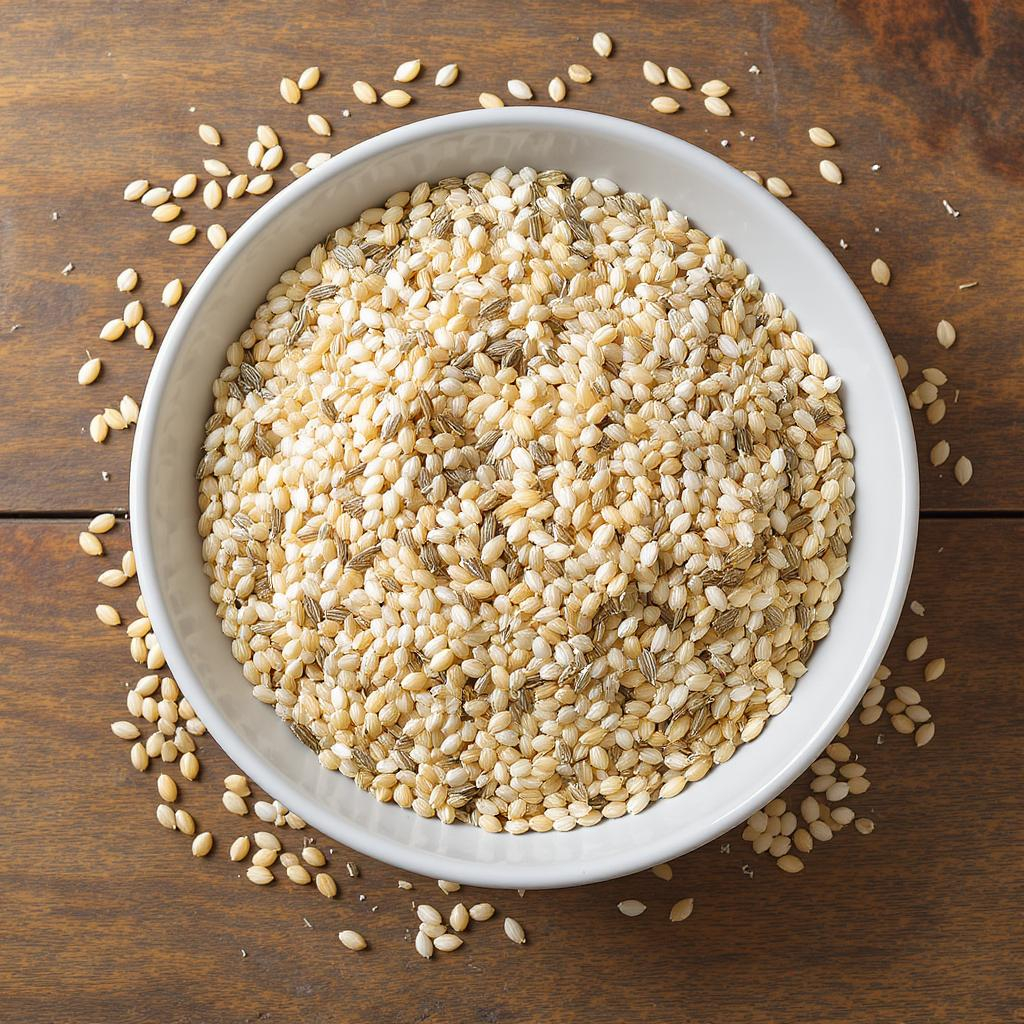
For the vast majority of healthy people, a balanced diet is the most effective and safest way to get your micronutrients. Whole foods provide a complex package of nutrients, fiber, and phytonutrients that a pill can never replicate.



Conclusion: A Prescription for Health
Micronutrients are the microscopic powerhouses of the body. The path to obtaining them is simple: eat a wide variety of whole foods. The decision to take a supplement should be a targeted one, made to address a specific, identified need, and ideally under the guidance of a healthcare professional.