The Foundation of Wellness
An in-depth guide to the essential nutrients that build our bodies, fuel our energy, and protect us from disease.
The Nutrient Explorer
Click on a nutrient to discover its vital role in your body, the signs of deficiency, and the best food sources to ensure you're getting enough.
The Food-First Philosophy
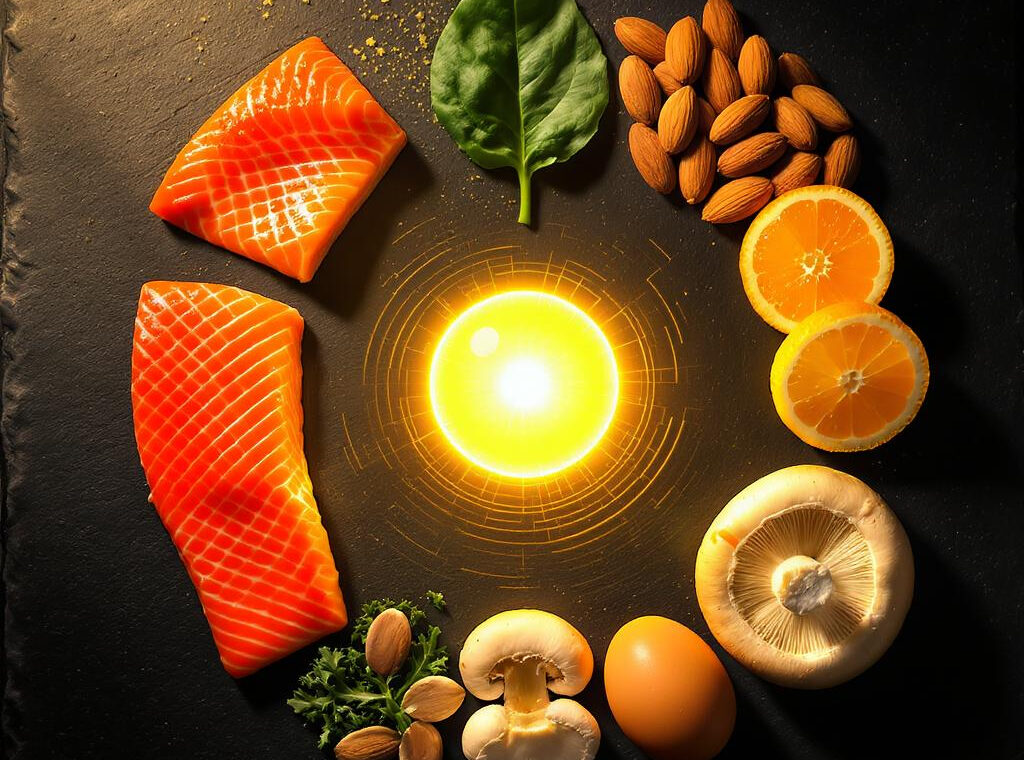
While supplements can fill specific gaps, the evidence is clear: the most effective and safest way to get your nutrients is from a balanced diet of whole foods. The complex synergy of vitamins, minerals, fiber, and phytonutrients in food cannot be replicated in a pill.
Conclusion: A Prescription for Health
While the world of nutrition can seem complex, the path to obtaining these essential nutrients is refreshingly simple: eat a varied and balanced diet rich in whole foods. The decision to take a supplement should be a targeted one, made to address a specific, identified need, and ideally under the guidance of a healthcare professional.
References
[1] National Institutes of Health (NIH), Office of Dietary Supplements. (2021). *Vitamin D - Fact Sheet for Health Professionals*.
[2] NIH Office of Dietary Supplements. (2021). *Omega-3 Fatty Acids - Fact Sheet for Health Professionals*.
[3] NIH Office of Dietary Supplements. (2021). *Magnesium - Fact Sheet for Health Professionals*.
[4] NIH Office of Dietary Supplements. (2021). *Vitamin B12 - Fact Sheet for Health Professionals*.
[5] NIH Office of Dietary Supplements. (2021). *Iron - Fact Sheet for Health Professionals*.
[6] NIH Office of Dietary Supplements. (2021). *Calcium - Fact Sheet for Health Professionals*.
[7] NIH Office of Dietary Supplements. (2021). *Vitamin C - Fact Sheet for Health Professionals*.
[8] NIH Office of Dietary Supplements. (2021). *Potassium - Fact Sheet for Health Professionals*.
[9] NIH Office of Dietary Supplements. (2021). *Zinc - Fact Sheet for Health Professionals*.
[10] Institute of Medicine. (2005). *Dietary Reference Intakes for Energy, Carbohydrate, Fiber, Fat, Fatty Acids, Cholesterol, Protein, and Amino Acids*. The National Academies Press.