
The Mind-Gut Connection: A Scientist's Guide to Supplements for Mental Health
Harness the power of nutritional psychiatry to support your mood, focus, and resilience.
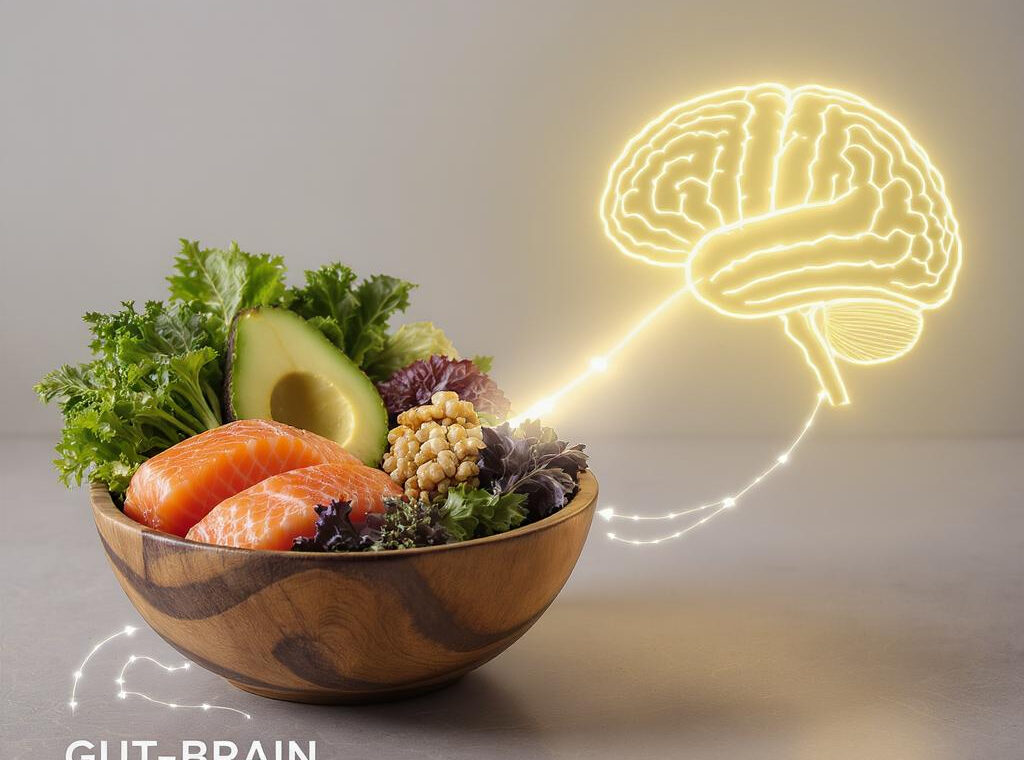
A revolution in our understanding of mental health is underway, revealing an intricate connection between what we eat and how we feel. This is the gut-brain axis: a powerful communication network linking our digestive system directly to our emotional and cognitive centers. The gut is our "second brain," producing over 90% of our serotonin. An unhealthy gut can lead to inflammation and neurotransmitter imbalances, contributing to depression, anxiety, and brain fog.
While a whole-foods diet is the non-negotiable foundation, targeted supplementation can provide powerful, evidence-based support. This guide offers a deep, scientific dive into the supplements that have the most significant impact on mental well-being.
Part 1: The Foundational Nutrients for Your Brain
These are the core building blocks your brain requires for optimal function. Deficiencies in these areas are strongly linked to mood disorders.
Omega-3 Fatty Acids (EPA & DHA)
Your brain is nearly 60% fat, and DHA is a primary structural component. EPA is a potent anti-inflammatory. A landmark meta-analysis in *Translational Psychiatry* found that supplements with a higher ratio of **EPA to DHA** significantly reduced depressive symptoms (Sublette et al., 2011). For mood, EPA is the star player.
- Form: Look for the natural **Triglyceride (TG)** form, which is more bioavailable than the cheaper ethyl ester (EE) form.
- Dose: Aim for a combined 1,000 mg of EPA/DHA daily, with at least **60% of that being EPA** for mood support.
- Safety: High doses can have a blood-thinning effect. Consult a doctor if you take anticoagulants like Warfarin.
Vitamin D
This neurosteroid hormone regulates genes involved in brain function and serotonin synthesis. Low levels are strongly associated with depression and Seasonal Affective Disorder (SAD). A meta-analysis in the *British Journal of Psychiatry* confirmed this link (Anglin et al., 2013).
- Form: **Vitamin D3 (cholecalciferol)** is far more effective than D2.
- Dose: 1,000-4,000 IU daily with a fatty meal. Get your levels tested for a personalized dose.
B-Complex Vitamins
B vitamins are critical for energy and neurotransmitter production. Deficiencies in **B12 (cobalamin)** and **B9 (folate)** are especially linked to depression. They are essential for the **methylation cycle**, a biochemical process that regulates neurotransmitters and detoxifies homocysteine, an amino acid that is toxic to nerve cells at high levels.
- Form: Choose a complex with **active forms**: **Methylfolate (L-5-MTHF)** instead of folic acid, **Methylcobalamin** for B12, and **P-5-P** for B6. These are especially crucial for individuals with MTHFR gene variations.
- Dose: Take one high-quality B-complex in the morning.
Magnesium
Magnesium is nature's calming agent. It regulates the stress-response (HPA) axis and acts as a brake on brain activity by blocking excitatory NMDA receptors. A systematic review in *Nutrients* found evidence for its anxiety-reducing effects (Boyle et al., 2017).
- Form: Bioavailability is key. **Magnesium Glycinate** is gentle and great for anxiety. **Magnesium L-Threonate** is superior for crossing the blood-brain barrier and supporting cognition.
- Dose: 200-400 mg of elemental magnesium in the evening.
Zinc
Zinc is a crucial neuromodulator concentrated in the brain's limbic system (the emotional center). It helps regulate the balance between the primary excitatory neurotransmitter (glutamate) and the primary inhibitory one (GABA). A meta-analysis confirmed that people with depression often have lower blood zinc levels, and supplementation can improve the effectiveness of antidepressant medication (Swardfager et al., 2013).
- Form: Choose a chelated form like **Zinc Picolinate** or **Zinc Glycinate** for better absorption.
- Dose: 15-30 mg daily, taken with food to avoid nausea. Do not take at the same time as iron or calcium supplements.
Part 2: Targeted & Advanced Support
Probiotics ("Psychobiotics")
Specific probiotic strains can produce neurotransmitters and reduce inflammation along the gut-brain axis. Research has identified *Lactobacillus rhamnosus*, *L. helveticus*, and *Bifidobacterium longum* as particularly beneficial for mood.

- Form: Look for delayed-release capsules to protect bacteria from stomach acid. Check for a high CFU count (30-50 billion) and strain diversity.
S-Adenosylmethionine (SAMe)
SAMe is a naturally occurring molecule that is a major methyl donor in the body, directly involved in the production of serotonin, dopamine, and norepinephrine. It's one of the most-studied natural antidepressants.
The Science: Multiple clinical trials have shown SAMe to be as effective as older tricyclic antidepressants, often with fewer side effects. It works faster than most pharmaceuticals, with effects sometimes seen within a week.
Risks: It can trigger mania in individuals with bipolar disorder. It should **never** be combined with SSRIs or other antidepressants except under strict medical supervision due to the risk of serotonin syndrome.
- Form: Must be enteric-coated to survive stomach acid.
- Dose: Start low (200-400 mg/day) and increase under a doctor's guidance.
Adaptogenic Herbs: Ashwagandha
Ashwagandha helps the body build resilience to stress by modulating the HPA axis and lowering cortisol. A landmark study showed 600 mg daily of a standardized extract significantly reduced stress and cortisol levels (Chandrasekhar et al., 2012).
- Form: Look for a standardized root extract like KSM-66® or Sensoril®.
Part 3: How to Be a Savvy Supplement Consumer
The supplement industry is vast and varied. Use these tips to choose wisely.
1. Decode the Supplement Facts Panel
- Check the Form: Is it Magnesium *Oxide* or *Glycinate*? Is it Folic Acid or *Methylfolate*? The form dictates the effect.
- Look for Standardization: For herbs, a label should state the percentage of the active compound (e.g., "Ashwagandha Root Extract, standardized to 5% withanolides").
- Scan "Other Ingredients": Avoid products with unnecessary fillers, artificial colors, and allergens.
2. Spot the Red Flags
- Proprietary Blends: This is a tactic to hide low, ineffective doses of expensive ingredients behind a fancy name. A quality brand lists the exact amount of each ingredient. If you see "Proprietary Mood Blend: 500mg" followed by a long list of ingredients, put it back on the shelf.
- Miracle Claims: Supplements support health; they do not cure disease. Be wary of any product promising instant or miraculous results.
3. Demand Third-Party Certification
This is your best guarantee of quality and safety. Look for these seals:

- NSF International: Tests for label accuracy and contaminants. "NSF Certified for Sport" is the highest level of certification.
- USP (U.S. Pharmacopeia): Verifies ingredient integrity, potency, and good manufacturing practices.
⚠️ A Final, Critical Note on Safety
This guide is for educational purposes and is not a substitute for professional medical advice. Always consult your doctor before starting any new supplement regimen, especially if you take prescription medications. Combining supplements with drugs without guidance can be dangerous.
3 Comments
This is exactly what i was looking for, thank you so much for these tutorials
It would be great to try this theme for my businesses
What a nice article. It keeps me reading more and more!