Are Multivitamins Really Necessary?
For most healthy people, the science says no. But it's not that simple. This guide helps you understand the evidence, identify if you're an exception, and make an informed decision about your health.
The Verdict for the General Population
Decades of research have tested the popular idea that multivitamins act as an "insurance policy" against chronic disease. This chart summarizes the scientific consensus for healthy adults without known deficiencies. Hover over each bar to see the key findings.
Targeted Nutrition: Who Genuinely Needs a Supplement?
While not recommended for everyone, supplementation is a medical necessity for certain groups with higher needs or absorption issues. Click on a group below to see why they are an exception and what nutrients are critical.
Navigating the Risks
Vitamins are not harmless. High doses can be toxic, and the supplement industry is loosely regulated. Click on a nutrient to understand its safe upper limit and the potential dangers of excess.
The Food-First Philosophy
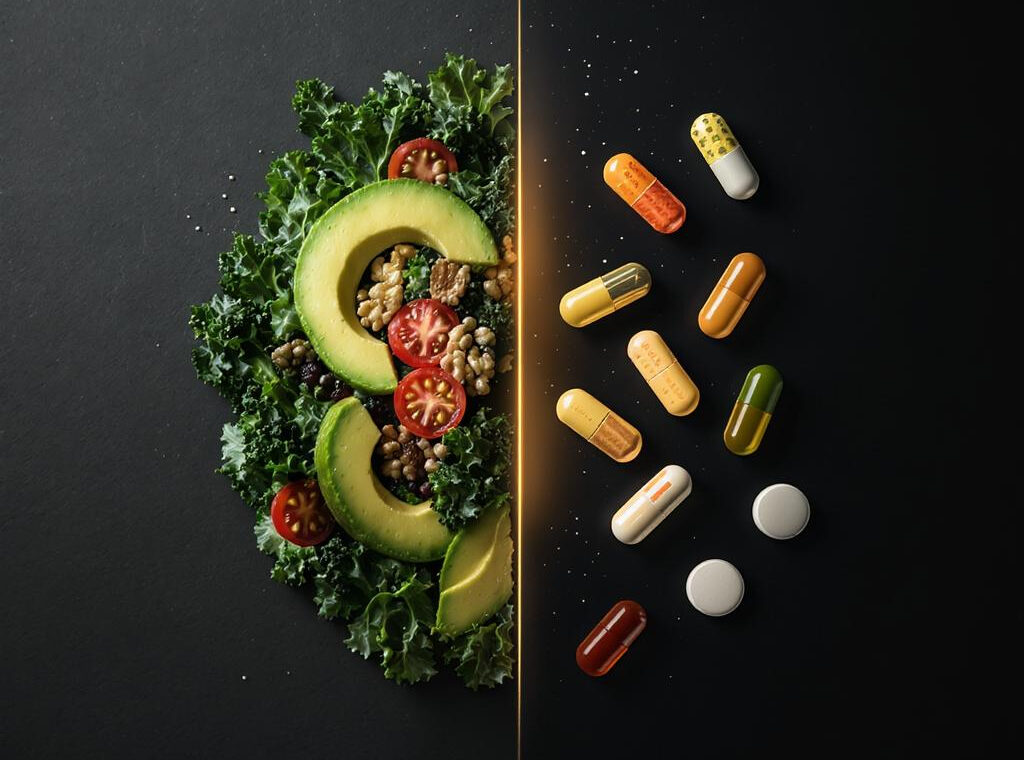
The most reliable path to good nutrition isn't a pill—it's your plate. Whole foods provide a complex synergy of nutrients, fiber, and phytonutrients that supplements can't replicate.

Build a Nutrient-Dense Plate
Instead of relying on a supplement, focus on building a balanced diet using a model like the USDA's MyPlate or Harvard's Healthy Eating Plate.
-
1
Fill Half Your Plate with a colorful variety of fruits and vegetables.
-
2
Choose Whole Grains for one-quarter of your plate, like oats, quinoa, and brown rice.
-
3
Select Lean Proteins for the final quarter, such as fish, poultry, beans, and nuts.
Your Evidence-Based Action Plan
Move from guessing to knowing. Follow these steps to optimize your nutritional health.
Prioritize Food First
Build your foundation on a diverse diet of whole foods. This is your most powerful tool for long-term health.
Assess Your Needs
Consider your life stage, diet, and health status. Do you fall into one of the specific groups that require supplementation?
Consult a Professional
Talk to your doctor or a registered dietitian. They can assess your diet and order tests to identify any true deficiencies.
Supplement Smartly
If needed, use targeted supplements. Always choose products with third-party certification (like USP or NSF) to ensure quality.